Formal vs Semi-Formal: The Man Suits Style
The Man Suits has become a go-to destination for men seeking sophisticated, tailored outfits that elevate their style. Whether you’re attending a wedding, corporate event, or a casual dinner, understanding the difference between formal and semi-formal attire can dramatically change your appearance. For those looking to experience expert styling firsthand, you can also book an appointment to receive personalized guidance on suit selection and accessories.
At The Man Suits, emphasis is placed on making men look sharp while maintaining comfort and practicality. From the traditional black-tie ensemble to the more flexible semi-formal combinations, each outfit is designed to complement individual body types and personal style. Understanding these distinctions ensures you never appear underdressed or overdressed for any event.
Formal vs Semi-Formal: The Man Suits Guide
Formal suits represent the pinnacle of menswear sophistication, often reserved for black-tie events or high-profile gatherings. They demand precision in fit, color, and accessory selection to maintain a flawless appearance. Semi-formal suits, while still elegant, allow more flexibility in style and patterns, catering to occasions that require dressiness without full ceremonial adherence.
Black-Tie Essentials
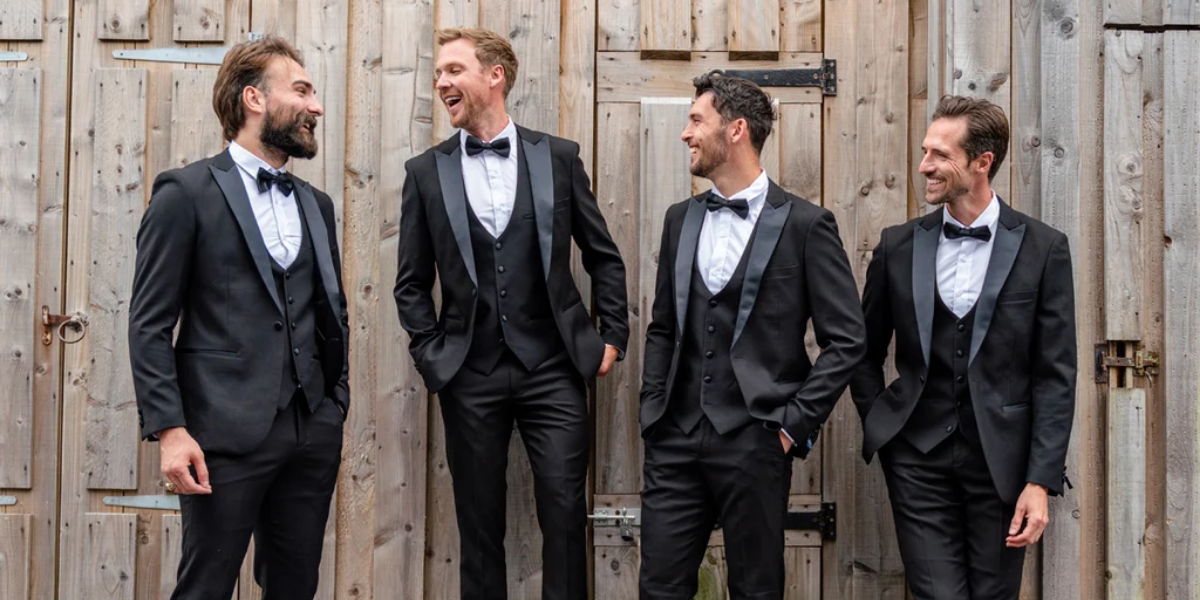
A formal black-tie suit typically involves a dark-colored tuxedo, a crisp white dress shirt, and a black bow tie. Accessories like cufflinks, pocket squares, and polished dress shoes complete the ensemble. Fabric choices lean toward high-quality wool or silk blends, ensuring that the suit holds its structure throughout the event.
Proper fit is crucial for black-tie attire, with tailored shoulders, tapered pants, and fitted sleeves creating a sharp silhouette. Men often pair this look with patent leather shoes or highly polished oxfords to complement the overall elegance. It’s also common to add subtle accessories like a sleek watch or minimalist cufflinks without overloading the outfit.
Semi-Formal Versatility
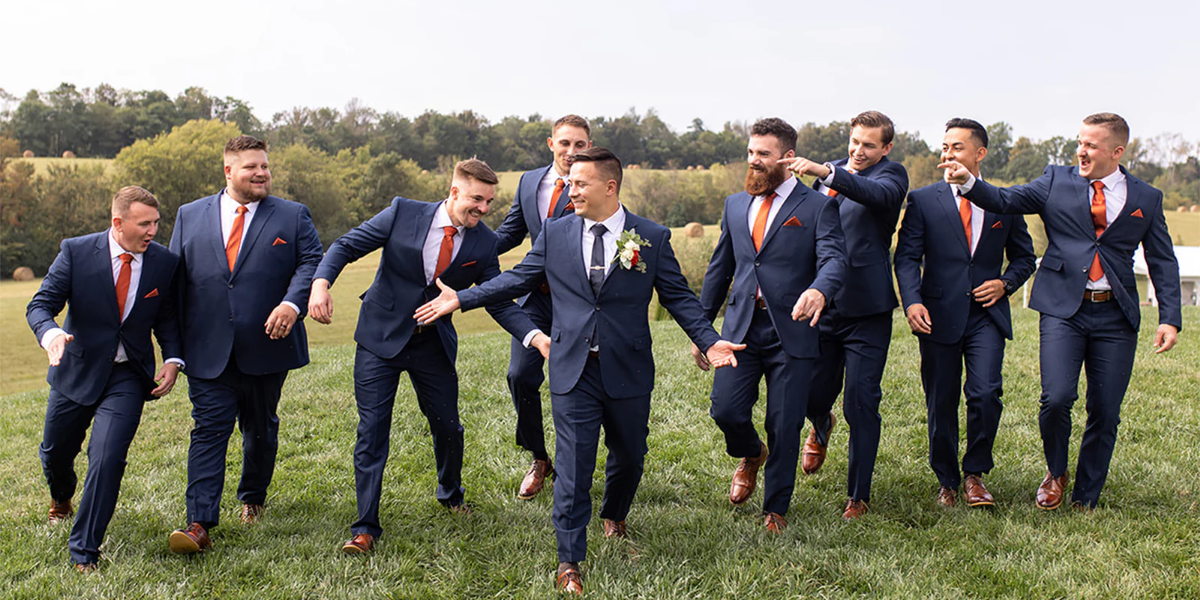
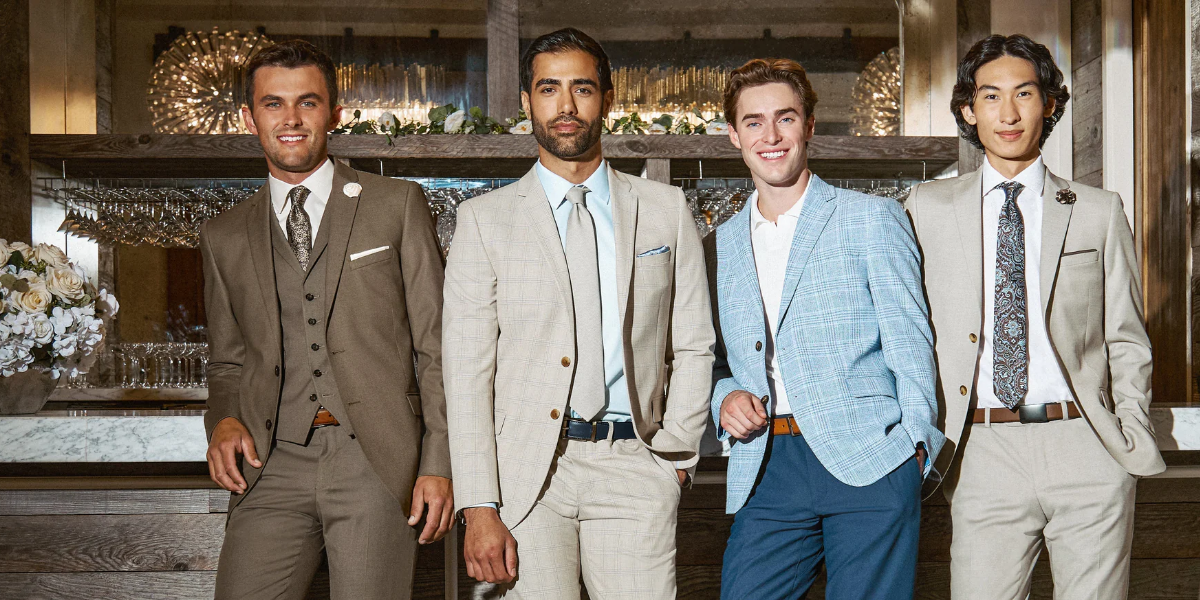
Semi-formal suits provide more styling freedom, allowing variations in color, pattern, and accessories. They can range from dark or neutral shades to lighter fabrics suitable for daytime events. Pairing a patterned tie or colorful pocket square can add personality while maintaining a refined appearance.
Unlike formal wear, semi-formal attire doesn’t demand tuxedos, allowing tailored suits or blazer-and-trouser combinations. Shoes can vary from classic leather oxfords to more modern loafers, depending on the event’s tone. This flexibility makes semi-formal wear ideal for cocktail parties, business dinners, or social gatherings.
Importance of Fit Awareness
Even without tailoring, ensuring that your suit fits correctly is crucial. Shoulders, jacket length, and trouser break should all look proportional. A suit that fits well naturally appears polished and boosts confidence without additional modifications.
Being mindful of fit means paying attention to simple cues, such as sleeve length relative to the wrist or how the jacket drapes over your torso. Small adjustments like these can make a standard suit look much sharper and more intentional.
| Feature | Description |
| Black-Tie Essentials | Formal suits require dark tuxedos, crisp shirts, bow ties, and polished shoes for perfect elegance. |
| Semi-Formal Versatility | Semi-formal outfits allow varied colors, patterns, and accessories for refined yet flexible dressing options. |
| Importance of Fit Awareness | Ensuring proper fit naturally enhances appearance and confidence, even without custom tailoring. |
Choosing the Right Formal vs Semi-Formal Suit
Selecting between formal and semi-formal attire depends on the occasion, setting, and personal style preferences. The event’s dress code often gives clues, but subtle differences in timing and environment can also guide your choice.
- Event Timing and Venue
- Color and Fabric Choices
- Accessory Considerations
Event Timing and Venue
Daytime events tend to favor lighter colors and fabrics, leaning toward semi-formal wear, while evening galas demand darker, formal attire. Indoor venues with sophisticated decor often require black-tie elegance, whereas casual settings like rooftop receptions allow semi-formal experimentation. Choosing the right tone sets the mood and conveys respect for the host and attendees.
Color and Fabric Choices
Formal suits usually stick to blacks, navy, or charcoal, while semi-formal suits open doors to browns, greys, and patterned options. Fabrics also vary, with wool, silk, and high-quality blends dominating formal wear, and lighter, breathable materials appearing in semi-formal selections. Considering the season, event type, and comfort level ensures that your suit feels appropriate and polished.
Accessory Considerations
Accessories distinguish formal from semi-formal wear significantly. Black-tie attire limits options to understated elegance like bow ties, cufflinks, and pocket squares, while semi-formal allows expressive ties, patterned scarves, or colored shoes. Watches, belts, and lapel pins can further reflect personality while staying within the outfit’s style boundaries.
Styling Tips for Formal vs Semi-Formal Suits
Styling a suit goes beyond fit and color—it involves understanding details that elevate the outfit from standard to memorable. Each component, from shoes to shirts, contributes to an overall cohesive look.
Shoes and Footwear
Formal suits call for polished leather shoes in black, ensuring harmony with the tuxedo or dark suit. Semi-formal footwear can include leather loafers, brogues, or other sophisticated yet comfortable options. Matching shoe style and color to belt and suit is essential to maintain a professional, stylish look.
Layering and Outerwear
Adding a tailored coat, vest, or scarf can enhance both formal and semi-formal outfits. For formal events, a black or dark overcoat maintains elegance, whereas semi-formal layering allows patterned or textured jackets. Correct layering ensures comfort without compromising style, especially in seasonal or outdoor events.
Grooming and Finishing Touches
Well-groomed hair, trimmed facial hair, and neat nails complement both formal and semi-formal suits. Even the most expensive suit can appear sloppy without attention to grooming. Accessories such as pocket squares, watches, and minimal jewelry add subtle sophistication without overpowering the outfit.
Conclusion
Understanding the nuances between formal and semi-formal suits transforms how men approach dressing for events. Formal suits demand meticulous attention to fit, color, and accessories, while semi-formal attire allows creative expression within refined boundaries. Mastering these distinctions ensures you always look confident, stylish, and appropriate.
Choosing the right suit isn’t just about following rules—it’s about expressing personality, respect for the occasion, and a refined sense of style. By understanding the differences between formal and semi-formal attire, men can navigate any event with poise, sophistication, and lasting impressions.
Frequently Asked Questions (FAQs)
A formal suit in The Man Suits collection is characterized by dark, elegant colors, precise tailoring, and classic accessories that emphasize traditional sophistication for high-end events.
Semi-formal attire at The Man Suits allows flexibility in colors, patterns, and accessories while maintaining a polished, refined appearance suitable for less rigid events.
Fit is crucial according to The Man Suits, as well-fitted suits enhance posture, appearance, and confidence without requiring custom tailoring.
The Man Suits recommends polished leather dress shoes, such as black oxfords or patent leather shoes, to complete formal ensembles elegantly and cohesively.
Yes, semi-formal suits from The Man Suits are ideal for daytime events, allowing lighter fabrics and colors while keeping the look stylish and professional.